
Introduction
This article documents a real-world dispute involving a freelance collaboration with a US-based media company (GreenTomatoMedia) in the context of YouTube channel development and digital content production.
The purpose of this case study is not emotional narration, but structured documentation of a set of issues increasingly observed in the global creator economy:
- freelance misclassification
- unclear ownership of digital assets
- payment condition disputes
- asymmetry in contractor relationships
All statements are based on documented exchanges, platform records, and recorded communications.
1. Context of the collaboration
The collaboration involved freelance work for a US-based media company focused on YouTube content production and channel development.
Responsibilities included:
- content strategy execution
- video production coordination
- channel growth and operational management
The engagement lasted several months and was conducted remotely across international jurisdictions.
2. Nature of the dispute
After a period of positive operational feedback, the working relationship deteriorated following the termination of the collaboration.
Key points of dispute include:
- disagreement over classification of the working relationship (freelance vs employee-like control)
- payment conditions and post-delivery obligations
- ownership and control of YouTube channel assets and content
- platform-level conflict including a YouTube strike related to content ownership claims
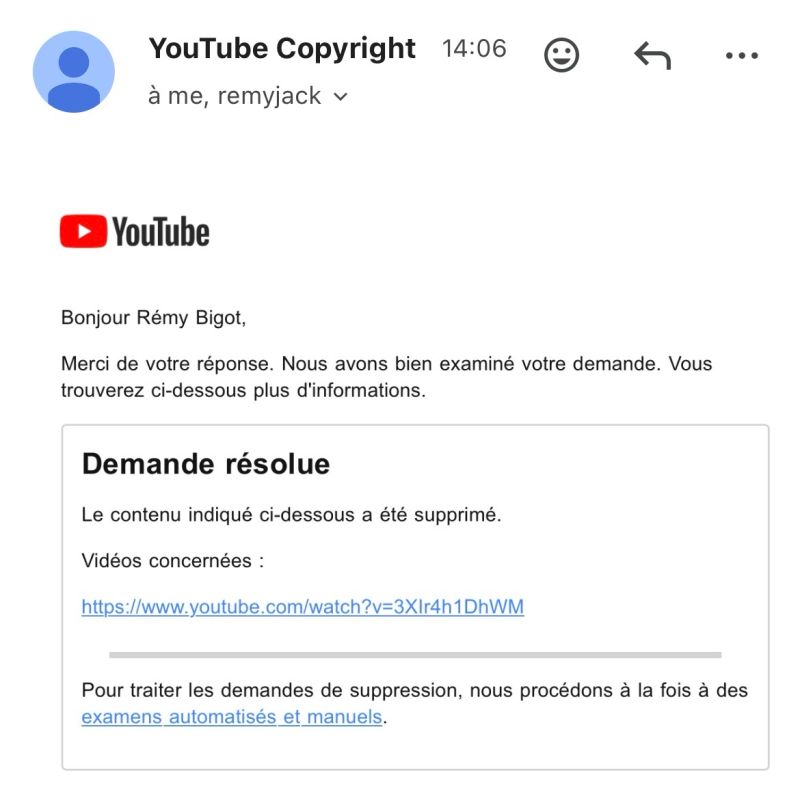
All elements described are supported by written communication and platform records.
3. Supporting documentation
The case is supported by multiple categories of evidence:
- written contractual and operational communications (from Green Tomato Media)
- platform records related to content and channel activity
- recorded audio exchanges with company representatives discussing the situation
- timestamped dispute-related communications
All materials are preserved in their original form.
4. Escalation during dispute period
During the dispute, additional communications were received that were perceived as pressure extending beyond the initial contractual framework.
Anonymous messages were also received during this period.
These elements are documented but treated separately from verified contractual communications.
5. Pattern observed across contributors
In parallel to this individual case, testimonies from other contributors have been collected.
While most remain anonymous due to personal concerns, these accounts describe similar patterns involving:
- freelance misclassification concerns
- payment disputes after delivery
- unclear ownership of digital assets produced under contract
This suggests the possibility of a broader structural issue within certain digital media production models.

6. Structural implications
This case highlights a recurring question in the global freelance economy:
How are digital creators and contractors protected when:
- operational control resembles employment relationships
- ownership of outputs remains centralized
- disputes arise after value delivery
These issues are increasingly relevant in platform-based media production ecosystems.
7. Objective of publication
This article is published for three purposes:
- transparent documentation of a real case
- identification of potential systemic patterns
- invitation for other contributors or witnesses to come forward (click here)
It is not intended as a personal accusation against any individual, but as a structured case study of contractual and operational risks in international freelance media production.